Buy ausrüstung.eu ?
We are moving the project
ausrüstung.eu .
Are you interested in purchasing the domain
ausrüstung.eu ?
domain@kv-gmbh.de · 0541-91531010
Buy ausrüstung.eu ?
What percentage of relatedness is there with relatives?
The percentage of relatedness with relatives depends on the specific relationship. For example, siblings share about 50% of their genetic material, while parents and children share about 50% as well. Grandparents and grandchildren share about 25% of their genetic material. The percentage decreases as the degree of relatedness decreases, such as with cousins who share about 12.5% of their genetic material. Overall, the percentage of relatedness varies depending on the specific familial relationship. **
What percentage of relatedness is there with the uncle?
The percentage of relatedness with an uncle is 25%. This is because an uncle shares 25% of their DNA with their niece or nephew. This is because the uncle and the niece or nephew share one set of grandparents, which accounts for 25% of their genetic material being the same. **

Similar search terms for Relatedness
Top-Angebote
Products related to Relatedness:
-
Uplift Curations Emergency Thermal Rain Poncho Waterproof Survival Poncho Blanket For Camping Hiking Outdoor Survival Gear orangeBe ready for sudden weather changes with a lightweight protective layer designed for emergencies. This thermal rain poncho combines the function of a waterproof raincoat and an insulating blanket to help keep you warm and dry in harsh outdoor...57,50 $*Shipping: 0,00 $Secure redirect to the provider
-
Multisell Products Hub Compact Monocular Telescope For Travel, Hiking, Fishing, Camping & Bird Watching 1pcDiscover the wonders of nature with the Monocular 1 pc Telescope, your perfect companion for outdoor adventures. Whether you're hiking, fishing, camping, or stargazing, this compact and portable telescope offers crystalclear views and is ideal for...29,97 $*Shipping: 0,00 $Secure redirect to the provider
-
Smart Shopping Spot Portable Steel Wire Chain Saw For Outdoor Survival, Camping & Hiking blackWhen youre exploring the great outdoors, having the right gear can make all the difference. This portable steel wire chain saw is a musthave for any survivalist, camper, or hiker. Designed for emergency situations, its compact size makes it easy to...29,97 $*Shipping: 0,00 $Secure redirect to the provider
-
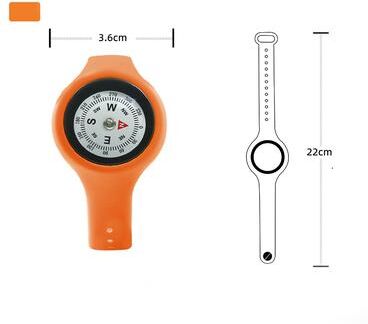
ModernMart Outdoor Wrist Compass Watch Survival Navigation Bracelet For Hiking Camping Travel eStay confident wherever your journey takes you with this reliable wrist compass watch designed for explorers of all ages. Built for outdoor adventures, this outdoor compass bracelet combines accurate navigation with everyday wearability. Whether...29,97 $*Shipping: 0,00 $Secure redirect to the provider


-
How can one represent the relatedness of bears using family trees in biology and evolution?
In biology and evolution, family trees can be used to represent the relatedness of bears by showing the evolutionary relationships between different species and subspecies. By constructing a family tree, scientists can visually depict the common ancestry and divergence of different bear species over time. This can help in understanding the evolutionary history of bears and how they are related to each other. Family trees can also show the genetic relatedness between different bear populations, providing insights into their genetic diversity and conservation. **
-
Is there also extreme hiking camping?
Yes, there is a form of extreme hiking camping known as backpacking or wilderness camping. This type of camping involves carrying all necessary gear and supplies on your back and hiking long distances to remote and rugged locations. Backpacking often requires a higher level of physical fitness, outdoor skills, and self-sufficiency compared to traditional camping. It can be a challenging and rewarding way to experience the wilderness in a more immersive and adventurous way. **
-
What methods for determining relatedness exist in evolution and genetics for the biology high school graduation exam?
In evolution and genetics, relatedness can be determined through various methods such as DNA sequencing, phylogenetic analysis, and genetic markers. DNA sequencing involves comparing the genetic material of different organisms to identify similarities and differences, which can help determine their relatedness. Phylogenetic analysis uses the evolutionary relationships between different species to infer their relatedness based on shared ancestry. Genetic markers, such as specific DNA sequences or alleles, can also be used to assess relatedness by comparing the presence or absence of these markers in different individuals or populations. These methods are important for understanding the evolutionary history and genetic relationships between different organisms, and are essential for studying biodiversity and species conservation. **
-
What can you do while camping and hiking?
While camping and hiking, you can enjoy various outdoor activities such as fishing, bird watching, stargazing, and wildlife spotting. You can also explore the natural surroundings by taking nature walks, swimming in nearby lakes or rivers, and even trying out some outdoor cooking. Additionally, you can challenge yourself with hiking to scenic viewpoints, setting up a campfire, and simply relaxing and enjoying the peacefulness of nature. **


What is the difference between the botanical and biological concept of relatedness in plants, if such a concept exists?
The botanical concept of relatedness in plants refers to their classification based on their physical characteristics, such as their flower structure, leaf arrangement, and other morphological features. This concept is used to group plants into families, genera, and species based on their shared traits. On the other hand, the biological concept of relatedness in plants focuses on their genetic relationships and evolutionary history. This concept is based on DNA analysis and phylogenetic studies to determine how closely related different plant species are and how they have evolved over time. While both concepts aim to understand the relatedness of plants, the botanical concept focuses on physical traits, while the biological concept focuses on genetic and evolutionary relationships. **
What is a survival outdoor knife?
A survival outdoor knife is a versatile and durable tool designed for use in outdoor and wilderness environments. It is typically a fixed-blade knife with a strong and sturdy construction, designed to handle a variety of tasks such as cutting, chopping, and carving. These knives often feature a full tang, meaning the blade extends all the way through the handle for added strength. They may also include additional features such as a serrated edge, a fire starter, and a durable sheath for safe and convenient carrying. Overall, a survival outdoor knife is an essential tool for anyone spending time in the wilderness and needing a reliable cutting tool for various tasks. **
Top-Angebote
Products related to Relatedness:
-
ModernMart Outdoor Wrist Compass Watch Survival Navigation Bracelet For Hiking Camping Travel aStay confident wherever your journey takes you with this reliable wrist compass watch designed for explorers of all ages. Built for outdoor adventures, this outdoor compass bracelet combines accurate navigation with everyday wearability. Whether...29,97 $*Shipping: 0,00 $Secure redirect to the provider
-
ModernMart Spovan Waterproof Fishing Barometer Watch For Hiking, Camping & Outdoor Sports Spovan Waterproof Fishing Barometer Watch For Hiking, Camping & Outdoor SportsNever miss the perfect fishing window again with this rugged fishing barometer watch designed for anglers and outdoor adventurers who rely on precision in changing conditions. Built with realtime pressure tracking, weather monitoring, and water...119,97 $*Shipping: 0,00 $Secure redirect to the provider
-
Uplift Curations Emergency Thermal Rain Poncho Waterproof Survival Poncho Blanket For Camping Hiking Outdoor Survival Gear orangeBe ready for sudden weather changes with a lightweight protective layer designed for emergencies. This thermal rain poncho combines the function of a waterproof raincoat and an insulating blanket to help keep you warm and dry in harsh outdoor...57,50 $*Shipping: 0,00 $Secure redirect to the provider
-
Multisell Products Hub Compact Monocular Telescope For Travel, Hiking, Fishing, Camping & Bird Watching 1pcDiscover the wonders of nature with the Monocular 1 pc Telescope, your perfect companion for outdoor adventures. Whether you're hiking, fishing, camping, or stargazing, this compact and portable telescope offers crystalclear views and is ideal for...29,97 $*Shipping: 0,00 $Secure redirect to the provider
-
What percentage of relatedness is there with relatives?
The percentage of relatedness with relatives depends on the specific relationship. For example, siblings share about 50% of their genetic material, while parents and children share about 50% as well. Grandparents and grandchildren share about 25% of their genetic material. The percentage decreases as the degree of relatedness decreases, such as with cousins who share about 12.5% of their genetic material. Overall, the percentage of relatedness varies depending on the specific familial relationship. **
-
What percentage of relatedness is there with the uncle?
The percentage of relatedness with an uncle is 25%. This is because an uncle shares 25% of their DNA with their niece or nephew. This is because the uncle and the niece or nephew share one set of grandparents, which accounts for 25% of their genetic material being the same. **
-
How can one represent the relatedness of bears using family trees in biology and evolution?
In biology and evolution, family trees can be used to represent the relatedness of bears by showing the evolutionary relationships between different species and subspecies. By constructing a family tree, scientists can visually depict the common ancestry and divergence of different bear species over time. This can help in understanding the evolutionary history of bears and how they are related to each other. Family trees can also show the genetic relatedness between different bear populations, providing insights into their genetic diversity and conservation. **
-
Is there also extreme hiking camping?
Yes, there is a form of extreme hiking camping known as backpacking or wilderness camping. This type of camping involves carrying all necessary gear and supplies on your back and hiking long distances to remote and rugged locations. Backpacking often requires a higher level of physical fitness, outdoor skills, and self-sufficiency compared to traditional camping. It can be a challenging and rewarding way to experience the wilderness in a more immersive and adventurous way. **
Similar search terms for Relatedness
-
Smart Shopping Spot Portable Steel Wire Chain Saw For Outdoor Survival, Camping & Hiking blackWhen youre exploring the great outdoors, having the right gear can make all the difference. This portable steel wire chain saw is a musthave for any survivalist, camper, or hiker. Designed for emergency situations, its compact size makes it easy to...29,97 $*Shipping: 0,00 $Secure redirect to the provider
-
ModernMart Outdoor Wrist Compass Watch Survival Navigation Bracelet For Hiking Camping Travel eStay confident wherever your journey takes you with this reliable wrist compass watch designed for explorers of all ages. Built for outdoor adventures, this outdoor compass bracelet combines accurate navigation with everyday wearability. Whether...29,97 $*Shipping: 0,00 $Secure redirect to the provider
-
ModernMart Outdoor Wrist Compass Watch Survival Navigation Bracelet For Hiking Camping Travel cStay confident wherever your journey takes you with this reliable wrist compass watch designed for explorers of all ages. Built for outdoor adventures, this outdoor compass bracelet combines accurate navigation with everyday wearability. Whether...29,97 $*Shipping: 0,00 $Secure redirect to the provider
-
ModernMart Outdoor Wrist Compass Watch Survival Navigation Bracelet For Hiking Camping Travel dStay confident wherever your journey takes you with this reliable wrist compass watch designed for explorers of all ages. Built for outdoor adventures, this outdoor compass bracelet combines accurate navigation with everyday wearability. Whether...29,97 $*Shipping: 0,00 $Secure redirect to the provider
-
What methods for determining relatedness exist in evolution and genetics for the biology high school graduation exam?
In evolution and genetics, relatedness can be determined through various methods such as DNA sequencing, phylogenetic analysis, and genetic markers. DNA sequencing involves comparing the genetic material of different organisms to identify similarities and differences, which can help determine their relatedness. Phylogenetic analysis uses the evolutionary relationships between different species to infer their relatedness based on shared ancestry. Genetic markers, such as specific DNA sequences or alleles, can also be used to assess relatedness by comparing the presence or absence of these markers in different individuals or populations. These methods are important for understanding the evolutionary history and genetic relationships between different organisms, and are essential for studying biodiversity and species conservation. **
-
What can you do while camping and hiking?
While camping and hiking, you can enjoy various outdoor activities such as fishing, bird watching, stargazing, and wildlife spotting. You can also explore the natural surroundings by taking nature walks, swimming in nearby lakes or rivers, and even trying out some outdoor cooking. Additionally, you can challenge yourself with hiking to scenic viewpoints, setting up a campfire, and simply relaxing and enjoying the peacefulness of nature. **
-
What is the difference between the botanical and biological concept of relatedness in plants, if such a concept exists?
The botanical concept of relatedness in plants refers to their classification based on their physical characteristics, such as their flower structure, leaf arrangement, and other morphological features. This concept is used to group plants into families, genera, and species based on their shared traits. On the other hand, the biological concept of relatedness in plants focuses on their genetic relationships and evolutionary history. This concept is based on DNA analysis and phylogenetic studies to determine how closely related different plant species are and how they have evolved over time. While both concepts aim to understand the relatedness of plants, the botanical concept focuses on physical traits, while the biological concept focuses on genetic and evolutionary relationships. **
-
What is a survival outdoor knife?
A survival outdoor knife is a versatile and durable tool designed for use in outdoor and wilderness environments. It is typically a fixed-blade knife with a strong and sturdy construction, designed to handle a variety of tasks such as cutting, chopping, and carving. These knives often feature a full tang, meaning the blade extends all the way through the handle for added strength. They may also include additional features such as a serrated edge, a fire starter, and a durable sheath for safe and convenient carrying. Overall, a survival outdoor knife is an essential tool for anyone spending time in the wilderness and needing a reliable cutting tool for various tasks. **
* All prices are inclusive of VAT and, if applicable, plus shipping costs. The offer information is based on the details provided by the respective shop and is updated through automated processes. Real-time updates do not occur, so deviations can occur in individual cases. ** Note: Parts of this content were created by AI.