Buy ausrüstung.eu ?
We are moving the project
ausrüstung.eu .
Are you interested in purchasing the domain
ausrüstung.eu ?
domain@kv-gmbh.de · 0541-91531010
Buy ausrüstung.eu ?
What distinguishes all types of bonding: ionic bonding, metallic bonding, and covalent bonding?
Ionic bonding involves the transfer of electrons from one atom to another, resulting in the formation of positively and negatively charged ions that are attracted to each other. Metallic bonding involves the sharing of electrons among a sea of delocalized electrons, creating a "sea of electrons" that holds the metal atoms together. Covalent bonding involves the sharing of electrons between atoms, resulting in the formation of molecules. Despite their differences, all types of bonding involve the interaction of electrons between atoms to form stable chemical compounds. **
What distinguishes all types of chemical bonding: ionic bonding, metallic bonding, and covalent bonding?
The main distinction among the three types of chemical bonding lies in the way atoms are held together. In ionic bonding, atoms transfer electrons to achieve a stable electron configuration. Metallic bonding involves a sea of delocalized electrons shared among a lattice of metal atoms. Covalent bonding, on the other hand, involves the sharing of electrons between atoms to achieve a stable electron configuration. Each type of bonding results in different properties and behaviors of the substances formed. **
Similar search terms for Bonding
Top-Angebote
Products related to Bonding:
-
ModernMart Spovan Waterproof Fishing Barometer Watch For Hiking, Camping & Outdoor Sports Spovan Waterproof Fishing Barometer Watch For Hiking, Camping & Outdoor SportsNever miss the perfect fishing window again with this rugged fishing barometer watch designed for anglers and outdoor adventurers who rely on precision in changing conditions. Built with realtime pressure tracking, weather monitoring, and water...119,97 $*Shipping: 0,00 $Secure redirect to the provider
-
Olaplex Nº 7 Bonding OilA hair-care product. It an ultralight, highly concentrated that adds smoothness and strength and enhances all hair types and textures. When used before thermal smodeling devices provides heat protection up to 230°C/450°F. Reduces drying time while smoothing and untangling hair slings. It does not leave any residues or add weight, and can even be used on very thin hair.40,64 £*Shipping: 6,94 £Secure redirect to the provider
-
Redken Acidic Bonding Concentrate PackExperience total hair transformation with this powerhouse restorative pack from Redken, containing: • Redken Acidic Bonding Concentrate Shampoo 300ml • Redken Acidic Bonding Concentrate Conditioner 300ml • Redken Acidic Perfecting Concentrate Leave-in Treatment 150ml The Acidic Bonding Concentrate Shampoo works to cleanse and fortify hair, leaving it more manageable, smoother and shinier - from root to tip. The Acidic Bonding Concentrate Conditioner intensely conditions hair while reinforcing weakened bonds. The perfecting Acidic Perfecting Concentrate Leave-in Treatment imbues hair with strength, shine, and hydration, working to reduce breakage and preventing colour fade. Boasting citric acid and a concentrated bonding care complex, the Acidic Bonding Concentrate Pack is ideal for those with damaged and processed hair. Free of sulfates. Ingredients Shampoo: Aqua / Water / Eau, Decyl Glucoside, Sodium Cocoyl Isethionate, Cocamidopropyl Betaine, Citric Acid, Sodium Hydroxide, Panthenol, Glycerin, Dimethicone, Peg-150 Distearate, Ppg-5-Ceteth-20, Sodium Benzoate, Sodium Chloride, Peg-55 Propylene Glycol Oleate, Propylene Glycol, Carbomer, Parfum / Fragrance, Coco-Caprylate/Caprate, Polyquaternium-67, Salicylic Acid, Amodimethicone, Sodium Phytate, Glycol Distearate, Coco-Betaine, Acrylates/Beheneth-25 Methacrylate Copolymer, Limonene, Trideceth-6 Conditioner: Aqua / Water / Eau, Cetearyl Alcohol, Glycerin, Behentrimonium Chloride, Dimethicone, Bis-Cetearyl Amodimethicone, Cetyl Esters, Citric Acid, Isopropyl Alcohol, Dicetyldimonium Chloride, Parfum / Fragrance, Sodium Citrate, Phenoxyethanol, Candelilla Cera / Candelilla Wax / Cire De Candelilla, Isopropyl Myristate, Hydroxypropyl Guar, Limonene, Coco-Betaine, Amodimethicone, Cetrimonium Chloride, Dilauryl Thiodipropionate, Trideceth-10, Sodium Chloride, Linalool, Peg-100 Stearate, Citronellol, Steareth-6 Treatment: Aqua / Water / Eau, Dimethicone, Cetearyl Alcohol, Amodimethicone, Phenoxyethanol, Polyquaternium-37, Dimethiconol, Parfum / Fragrance, Propylene Glycol Dicaprylate/Dicaprate, Trideceth-5, Steareth-20, Cetyl Hydroxyethylcellulose, Glycerin, Citric Acid, Limonene, Ppg-1 Trideceth-6, Trideceth-10, Sodium Hydroxide, Chlorhexidine Digluconate, Sorbitan Oleate, Acetic Acid, Linalool, Citronellol, Citral, Eugenol. *When used as a system of Acidic Bonding Concentrate Shampoo and Conditioner vs. non-conditioning shampoo ** When used as a system of Acidic Bonding Concentrate Shampoo, Conditioner and Leave-In Treatment vs. non-conditioning shampoo66,00 £*Shipping: 0,00 £Secure redirect to the provider



-
What are examples of ionic bonding, covalent bonding, and metallic bonding?
Ionic bonding occurs when one atom transfers electrons to another, resulting in the formation of positively and negatively charged ions that are attracted to each other. An example of ionic bonding is the bond between sodium and chlorine in sodium chloride (table salt). Covalent bonding occurs when atoms share electrons to achieve a full outer shell. An example of covalent bonding is the bond between two hydrogen atoms in a molecule of hydrogen gas (H2). Metallic bonding occurs in metals, where the outer electrons of the atoms are delocalized and free to move throughout the structure, creating a "sea" of electrons that hold the metal atoms together. An example of metallic bonding is the bond between atoms in a piece of copper metal. **
-
What is the difference between ionic bonding, covalent bonding, and metallic bonding?
Ionic bonding involves the transfer of electrons from one atom to another, resulting in the formation of positively and negatively charged ions that are held together by electrostatic forces. Covalent bonding involves the sharing of electrons between atoms to achieve a stable electron configuration. Metallic bonding occurs in metals, where electrons are delocalized and free to move throughout the material, creating a "sea of electrons" that hold the metal atoms together. Each type of bonding results in different properties and behaviors of the substances involved. **
-
Who is familiar with chemistry in ionic bonding, metallic bonding, and molecular bonding?
Individuals who have studied chemistry at a high school or college level are likely to be familiar with ionic bonding, metallic bonding, and molecular bonding. This includes students, teachers, and professionals in the fields of chemistry, chemical engineering, and materials science. Additionally, those who have a general interest in science and have taken courses or done independent study in chemistry may also have knowledge of these types of chemical bonding. **
-
What is the difference between covalent bonding and ionic bonding?
Covalent bonding involves the sharing of electrons between atoms to achieve a stable electron configuration, typically between nonmetals. Ionic bonding involves the transfer of electrons from one atom to another, resulting in the formation of positively and negatively charged ions that are attracted to each other, typically between a metal and a nonmetal. In covalent bonding, the atoms involved have similar electronegativities, while in ionic bonding, there is a significant difference in electronegativities between the atoms. **


What are the similarities between ionic bonding and covalent bonding?
Both ionic bonding and covalent bonding involve the sharing or transfer of electrons between atoms to achieve a stable electron configuration. In both types of bonding, the goal is for each atom to achieve a full outer electron shell. Additionally, both types of bonding result in the formation of a compound with a neutral charge. However, the key difference between the two is that ionic bonding involves the transfer of electrons from one atom to another, while covalent bonding involves the sharing of electrons between atoms. **
How do you distinguish between bonding and non-bonding electron pairs?
Bonding electron pairs are involved in the formation of chemical bonds between atoms, while non-bonding electron pairs are not involved in the formation of chemical bonds. Bonding electron pairs are typically found in the outermost energy level of an atom and are shared between two atoms to form a bond, while non-bonding electron pairs are also found in the outermost energy level but are not involved in bonding and are often referred to as lone pairs. In a Lewis structure, bonding electron pairs are represented by a solid line or dash between the atoms, while non-bonding electron pairs are represented as pairs of dots around the atom. **
Top-Angebote
Products related to Bonding:
-
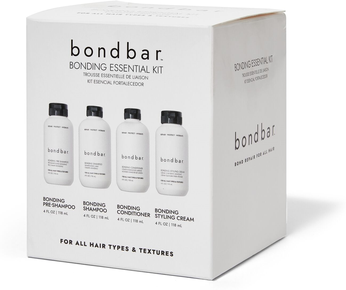
Bondbar Bonding Essential Kitbondbar Bonding Essentials Kit comes with everything you need to kickstart your healthy hair care routine. It includes bondbar Bonding Pre-Shampoo, bondbar Bonding Shampoo, bondbar Bonding Conditioner and bondbar Bonding Styling Cream. Hair is made...29,99 $*Shipping: 0,00 $Secure redirect to the provider
-
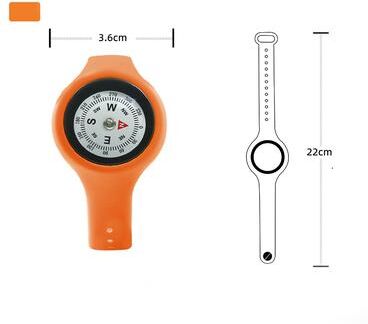
ModernMart Outdoor Wrist Compass Watch Survival Navigation Bracelet For Hiking Camping Travel aStay confident wherever your journey takes you with this reliable wrist compass watch designed for explorers of all ages. Built for outdoor adventures, this outdoor compass bracelet combines accurate navigation with everyday wearability. Whether...29,97 $*Shipping: 0,00 $Secure redirect to the provider
-
ModernMart Spovan Waterproof Fishing Barometer Watch For Hiking, Camping & Outdoor Sports Spovan Waterproof Fishing Barometer Watch For Hiking, Camping & Outdoor SportsNever miss the perfect fishing window again with this rugged fishing barometer watch designed for anglers and outdoor adventurers who rely on precision in changing conditions. Built with realtime pressure tracking, weather monitoring, and water...119,97 $*Shipping: 0,00 $Secure redirect to the provider
-
What distinguishes all types of bonding: ionic bonding, metallic bonding, and covalent bonding?
Ionic bonding involves the transfer of electrons from one atom to another, resulting in the formation of positively and negatively charged ions that are attracted to each other. Metallic bonding involves the sharing of electrons among a sea of delocalized electrons, creating a "sea of electrons" that holds the metal atoms together. Covalent bonding involves the sharing of electrons between atoms, resulting in the formation of molecules. Despite their differences, all types of bonding involve the interaction of electrons between atoms to form stable chemical compounds. **
-
What distinguishes all types of chemical bonding: ionic bonding, metallic bonding, and covalent bonding?
The main distinction among the three types of chemical bonding lies in the way atoms are held together. In ionic bonding, atoms transfer electrons to achieve a stable electron configuration. Metallic bonding involves a sea of delocalized electrons shared among a lattice of metal atoms. Covalent bonding, on the other hand, involves the sharing of electrons between atoms to achieve a stable electron configuration. Each type of bonding results in different properties and behaviors of the substances formed. **
-
What are examples of ionic bonding, covalent bonding, and metallic bonding?
Ionic bonding occurs when one atom transfers electrons to another, resulting in the formation of positively and negatively charged ions that are attracted to each other. An example of ionic bonding is the bond between sodium and chlorine in sodium chloride (table salt). Covalent bonding occurs when atoms share electrons to achieve a full outer shell. An example of covalent bonding is the bond between two hydrogen atoms in a molecule of hydrogen gas (H2). Metallic bonding occurs in metals, where the outer electrons of the atoms are delocalized and free to move throughout the structure, creating a "sea" of electrons that hold the metal atoms together. An example of metallic bonding is the bond between atoms in a piece of copper metal. **
-
What is the difference between ionic bonding, covalent bonding, and metallic bonding?
Ionic bonding involves the transfer of electrons from one atom to another, resulting in the formation of positively and negatively charged ions that are held together by electrostatic forces. Covalent bonding involves the sharing of electrons between atoms to achieve a stable electron configuration. Metallic bonding occurs in metals, where electrons are delocalized and free to move throughout the material, creating a "sea of electrons" that hold the metal atoms together. Each type of bonding results in different properties and behaviors of the substances involved. **
Similar search terms for Bonding
-
Olaplex Nº 7 Bonding OilA hair-care product. It an ultralight, highly concentrated that adds smoothness and strength and enhances all hair types and textures. When used before thermal smodeling devices provides heat protection up to 230°C/450°F. Reduces drying time while smoothing and untangling hair slings. It does not leave any residues or add weight, and can even be used on very thin hair.40,64 £*Shipping: 6,94 £Secure redirect to the provider
-
Redken Acidic Bonding Concentrate PackExperience total hair transformation with this powerhouse restorative pack from Redken, containing: • Redken Acidic Bonding Concentrate Shampoo 300ml • Redken Acidic Bonding Concentrate Conditioner 300ml • Redken Acidic Perfecting Concentrate Leave-in Treatment 150ml The Acidic Bonding Concentrate Shampoo works to cleanse and fortify hair, leaving it more manageable, smoother and shinier - from root to tip. The Acidic Bonding Concentrate Conditioner intensely conditions hair while reinforcing weakened bonds. The perfecting Acidic Perfecting Concentrate Leave-in Treatment imbues hair with strength, shine, and hydration, working to reduce breakage and preventing colour fade. Boasting citric acid and a concentrated bonding care complex, the Acidic Bonding Concentrate Pack is ideal for those with damaged and processed hair. Free of sulfates. Ingredients Shampoo: Aqua / Water / Eau, Decyl Glucoside, Sodium Cocoyl Isethionate, Cocamidopropyl Betaine, Citric Acid, Sodium Hydroxide, Panthenol, Glycerin, Dimethicone, Peg-150 Distearate, Ppg-5-Ceteth-20, Sodium Benzoate, Sodium Chloride, Peg-55 Propylene Glycol Oleate, Propylene Glycol, Carbomer, Parfum / Fragrance, Coco-Caprylate/Caprate, Polyquaternium-67, Salicylic Acid, Amodimethicone, Sodium Phytate, Glycol Distearate, Coco-Betaine, Acrylates/Beheneth-25 Methacrylate Copolymer, Limonene, Trideceth-6 Conditioner: Aqua / Water / Eau, Cetearyl Alcohol, Glycerin, Behentrimonium Chloride, Dimethicone, Bis-Cetearyl Amodimethicone, Cetyl Esters, Citric Acid, Isopropyl Alcohol, Dicetyldimonium Chloride, Parfum / Fragrance, Sodium Citrate, Phenoxyethanol, Candelilla Cera / Candelilla Wax / Cire De Candelilla, Isopropyl Myristate, Hydroxypropyl Guar, Limonene, Coco-Betaine, Amodimethicone, Cetrimonium Chloride, Dilauryl Thiodipropionate, Trideceth-10, Sodium Chloride, Linalool, Peg-100 Stearate, Citronellol, Steareth-6 Treatment: Aqua / Water / Eau, Dimethicone, Cetearyl Alcohol, Amodimethicone, Phenoxyethanol, Polyquaternium-37, Dimethiconol, Parfum / Fragrance, Propylene Glycol Dicaprylate/Dicaprate, Trideceth-5, Steareth-20, Cetyl Hydroxyethylcellulose, Glycerin, Citric Acid, Limonene, Ppg-1 Trideceth-6, Trideceth-10, Sodium Hydroxide, Chlorhexidine Digluconate, Sorbitan Oleate, Acetic Acid, Linalool, Citronellol, Citral, Eugenol. *When used as a system of Acidic Bonding Concentrate Shampoo and Conditioner vs. non-conditioning shampoo ** When used as a system of Acidic Bonding Concentrate Shampoo, Conditioner and Leave-In Treatment vs. non-conditioning shampoo66,00 £*Shipping: 0,00 £Secure redirect to the provider
-
ModernMart Outdoor Wrist Compass Watch Survival Navigation Bracelet For Hiking Camping Travel cStay confident wherever your journey takes you with this reliable wrist compass watch designed for explorers of all ages. Built for outdoor adventures, this outdoor compass bracelet combines accurate navigation with everyday wearability. Whether...29,97 $*Shipping: 0,00 $Secure redirect to the provider
-
ModernMart Outdoor Wrist Compass Watch Survival Navigation Bracelet For Hiking Camping Travel eStay confident wherever your journey takes you with this reliable wrist compass watch designed for explorers of all ages. Built for outdoor adventures, this outdoor compass bracelet combines accurate navigation with everyday wearability. Whether...29,97 $*Shipping: 0,00 $Secure redirect to the provider
-
Who is familiar with chemistry in ionic bonding, metallic bonding, and molecular bonding?
Individuals who have studied chemistry at a high school or college level are likely to be familiar with ionic bonding, metallic bonding, and molecular bonding. This includes students, teachers, and professionals in the fields of chemistry, chemical engineering, and materials science. Additionally, those who have a general interest in science and have taken courses or done independent study in chemistry may also have knowledge of these types of chemical bonding. **
-
What is the difference between covalent bonding and ionic bonding?
Covalent bonding involves the sharing of electrons between atoms to achieve a stable electron configuration, typically between nonmetals. Ionic bonding involves the transfer of electrons from one atom to another, resulting in the formation of positively and negatively charged ions that are attracted to each other, typically between a metal and a nonmetal. In covalent bonding, the atoms involved have similar electronegativities, while in ionic bonding, there is a significant difference in electronegativities between the atoms. **
-
What are the similarities between ionic bonding and covalent bonding?
Both ionic bonding and covalent bonding involve the sharing or transfer of electrons between atoms to achieve a stable electron configuration. In both types of bonding, the goal is for each atom to achieve a full outer electron shell. Additionally, both types of bonding result in the formation of a compound with a neutral charge. However, the key difference between the two is that ionic bonding involves the transfer of electrons from one atom to another, while covalent bonding involves the sharing of electrons between atoms. **
-
How do you distinguish between bonding and non-bonding electron pairs?
Bonding electron pairs are involved in the formation of chemical bonds between atoms, while non-bonding electron pairs are not involved in the formation of chemical bonds. Bonding electron pairs are typically found in the outermost energy level of an atom and are shared between two atoms to form a bond, while non-bonding electron pairs are also found in the outermost energy level but are not involved in bonding and are often referred to as lone pairs. In a Lewis structure, bonding electron pairs are represented by a solid line or dash between the atoms, while non-bonding electron pairs are represented as pairs of dots around the atom. **
* All prices are inclusive of VAT and, if applicable, plus shipping costs. The offer information is based on the details provided by the respective shop and is updated through automated processes. Real-time updates do not occur, so deviations can occur in individual cases. ** Note: Parts of this content were created by AI.