Buy ausrüstung.eu ?
We are moving the project
ausrüstung.eu .
Are you interested in purchasing the domain
ausrüstung.eu ?
domain@kv-gmbh.de · 0541-91531010
Buy ausrüstung.eu ?
What is the derivation of the variance decomposition of the variance?
The variance decomposition of the variance is derived from the decomposition of the total variance into its components. This decomposition helps to understand the relative contributions of different sources of variation to the total variance. By partitioning the variance into its constituent parts, such as the variance due to different factors or sources, we can quantify the amount of variability explained by each component. This decomposition is commonly used in statistical analysis to assess the importance of various factors in explaining the overall variability in a dataset. **
What is the asymptotic variance?
The asymptotic variance is a measure of the variability of an estimator as the sample size approaches infinity. It represents the limit of the variance of the estimator as the sample size becomes very large. In statistical theory, it is used to assess the precision and reliability of an estimator in the long run. A smaller asymptotic variance indicates that the estimator is more efficient and provides more precise estimates as the sample size increases. **

Similar search terms for Variance
Top-Angebote
Products related to Variance:
-
Uplift Curations Emergency Thermal Rain Poncho Waterproof Survival Poncho Blanket For Camping Hiking Outdoor Survival Gear orangeBe ready for sudden weather changes with a lightweight protective layer designed for emergencies. This thermal rain poncho combines the function of a waterproof raincoat and an insulating blanket to help keep you warm and dry in harsh outdoor...57,50 $*Shipping: 0,00 $Secure redirect to the provider
-
Multisell Products Hub Compact Monocular Telescope For Travel, Hiking, Fishing, Camping & Bird Watching 1pcDiscover the wonders of nature with the Monocular 1 pc Telescope, your perfect companion for outdoor adventures. Whether you're hiking, fishing, camping, or stargazing, this compact and portable telescope offers crystalclear views and is ideal for...29,97 $*Shipping: 0,00 $Secure redirect to the provider
-
Smart Shopping Spot Portable Steel Wire Chain Saw For Outdoor Survival, Camping & Hiking orangeWhen youre exploring the great outdoors, having the right gear can make all the difference. This portable steel wire chain saw is a musthave for any survivalist, camper, or hiker. Designed for emergency situations, its compact size makes it easy to...29,97 $*Shipping: 0,00 $Secure redirect to the provider
-
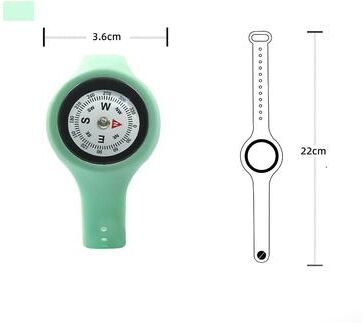
ModernMart Outdoor Wrist Compass Watch Survival Navigation Bracelet For Hiking Camping Travel dStay confident wherever your journey takes you with this reliable wrist compass watch designed for explorers of all ages. Built for outdoor adventures, this outdoor compass bracelet combines accurate navigation with everyday wearability. Whether...29,97 $*Shipping: 0,00 $Secure redirect to the provider


-
What is variance in mathematics?
In mathematics, variance is a measure of how much a set of numbers varies or spreads out. It is a statistical measure that indicates the extent to which data points differ from the mean (average) of the set. A high variance means that the numbers in the set are spread out over a wider range, while a low variance means that the numbers are closer to the mean. Variance is calculated by taking the average of the squared differences between each data point and the mean. **
-
What is the difference between variance and standard deviation, and why is variance needed?
Variance and standard deviation are both measures of the spread or dispersion of a set of data. The main difference between the two is that variance is the average of the squared differences from the mean, while standard deviation is the square root of the variance. Standard deviation is often preferred over variance because it is in the same units as the original data, making it easier to interpret. However, variance is still needed in statistical calculations, such as in the calculation of the standard deviation, and it provides valuable information about the variability of the data. **
-
How do you calculate variance correctly?
Variance is calculated by finding the average of the squared differences between each data point and the mean of the data set. First, calculate the mean of the data set. Then, subtract the mean from each data point, square the result, and find the average of these squared differences. This average is the variance. The formula for variance is: variance = Σ (x - μ)² / n, where Σ represents the sum of the squared differences, x is each data point, μ is the mean, and n is the number of data points. **
-
How can the variance be transformed?
The variance can be transformed by applying a linear transformation to the data. This can involve multiplying each data point by a constant, adding a constant to each data point, or a combination of both. Another way to transform the variance is by applying a non-linear transformation to the data, such as taking the square root or the logarithm of the data. These transformations can help to stabilize the variance, make the data more normally distributed, or make the variance more homogeneous across different groups or levels of a factor. **

What is variance explanation in psychology?
Variance explanation in psychology refers to the extent to which a particular variable or set of variables can account for the variability in a certain psychological phenomenon or behavior. It is a measure of how much of the variability in a particular outcome can be attributed to the variables being studied. For example, in a study on the factors influencing depression, variance explanation would indicate how much of the variability in depression scores can be explained by factors such as genetics, environment, or personality traits. Understanding the variance explanation in psychology is important for identifying the key factors that contribute to a particular psychological outcome. **
What does variance stand for in statistics?
In statistics, variance is a measure of how spread out a set of data points are from the mean. It quantifies the variability or dispersion of a dataset. A high variance indicates that the data points are spread out widely, while a low variance indicates that the data points are clustered closely around the mean. Variance is calculated by taking the average of the squared differences between each data point and the mean. **
Top-Angebote
Products related to Variance:
-
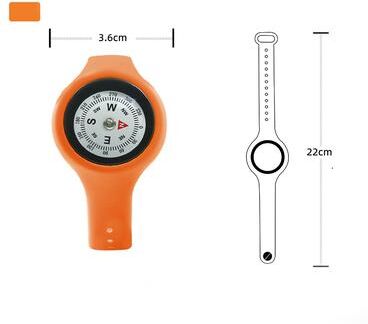
ModernMart Outdoor Wrist Compass Watch Survival Navigation Bracelet For Hiking Camping Travel bStay confident wherever your journey takes you with this reliable wrist compass watch designed for explorers of all ages. Built for outdoor adventures, this outdoor compass bracelet combines accurate navigation with everyday wearability. Whether...29,97 $*Shipping: 0,00 $Secure redirect to the provider
-
ModernMart Spovan Waterproof Fishing Barometer Watch For Hiking, Camping & Outdoor Sports Spovan Waterproof Fishing Barometer Watch For Hiking, Camping & Outdoor SportsNever miss the perfect fishing window again with this rugged fishing barometer watch designed for anglers and outdoor adventurers who rely on precision in changing conditions. Built with realtime pressure tracking, weather monitoring, and water...119,97 $*Shipping: 0,00 $Secure redirect to the provider
-
Uplift Curations Emergency Thermal Rain Poncho Waterproof Survival Poncho Blanket For Camping Hiking Outdoor Survival Gear orangeBe ready for sudden weather changes with a lightweight protective layer designed for emergencies. This thermal rain poncho combines the function of a waterproof raincoat and an insulating blanket to help keep you warm and dry in harsh outdoor...57,50 $*Shipping: 0,00 $Secure redirect to the provider
-
Multisell Products Hub Compact Monocular Telescope For Travel, Hiking, Fishing, Camping & Bird Watching 1pcDiscover the wonders of nature with the Monocular 1 pc Telescope, your perfect companion for outdoor adventures. Whether you're hiking, fishing, camping, or stargazing, this compact and portable telescope offers crystalclear views and is ideal for...29,97 $*Shipping: 0,00 $Secure redirect to the provider
-
What is the derivation of the variance decomposition of the variance?
The variance decomposition of the variance is derived from the decomposition of the total variance into its components. This decomposition helps to understand the relative contributions of different sources of variation to the total variance. By partitioning the variance into its constituent parts, such as the variance due to different factors or sources, we can quantify the amount of variability explained by each component. This decomposition is commonly used in statistical analysis to assess the importance of various factors in explaining the overall variability in a dataset. **
-
What is the asymptotic variance?
The asymptotic variance is a measure of the variability of an estimator as the sample size approaches infinity. It represents the limit of the variance of the estimator as the sample size becomes very large. In statistical theory, it is used to assess the precision and reliability of an estimator in the long run. A smaller asymptotic variance indicates that the estimator is more efficient and provides more precise estimates as the sample size increases. **
-
What is variance in mathematics?
In mathematics, variance is a measure of how much a set of numbers varies or spreads out. It is a statistical measure that indicates the extent to which data points differ from the mean (average) of the set. A high variance means that the numbers in the set are spread out over a wider range, while a low variance means that the numbers are closer to the mean. Variance is calculated by taking the average of the squared differences between each data point and the mean. **
-
What is the difference between variance and standard deviation, and why is variance needed?
Variance and standard deviation are both measures of the spread or dispersion of a set of data. The main difference between the two is that variance is the average of the squared differences from the mean, while standard deviation is the square root of the variance. Standard deviation is often preferred over variance because it is in the same units as the original data, making it easier to interpret. However, variance is still needed in statistical calculations, such as in the calculation of the standard deviation, and it provides valuable information about the variability of the data. **
Similar search terms for Variance
-
Smart Shopping Spot Portable Steel Wire Chain Saw For Outdoor Survival, Camping & Hiking orangeWhen youre exploring the great outdoors, having the right gear can make all the difference. This portable steel wire chain saw is a musthave for any survivalist, camper, or hiker. Designed for emergency situations, its compact size makes it easy to...29,97 $*Shipping: 0,00 $Secure redirect to the provider
-
ModernMart Outdoor Wrist Compass Watch Survival Navigation Bracelet For Hiking Camping Travel dStay confident wherever your journey takes you with this reliable wrist compass watch designed for explorers of all ages. Built for outdoor adventures, this outdoor compass bracelet combines accurate navigation with everyday wearability. Whether...29,97 $*Shipping: 0,00 $Secure redirect to the provider
-
ModernMart Outdoor Wrist Compass Watch Survival Navigation Bracelet For Hiking Camping Travel aStay confident wherever your journey takes you with this reliable wrist compass watch designed for explorers of all ages. Built for outdoor adventures, this outdoor compass bracelet combines accurate navigation with everyday wearability. Whether...29,97 $*Shipping: 0,00 $Secure redirect to the provider
-
ModernMart Outdoor Wrist Compass Watch Survival Navigation Bracelet For Hiking Camping Travel eStay confident wherever your journey takes you with this reliable wrist compass watch designed for explorers of all ages. Built for outdoor adventures, this outdoor compass bracelet combines accurate navigation with everyday wearability. Whether...29,97 $*Shipping: 0,00 $Secure redirect to the provider
-
How do you calculate variance correctly?
Variance is calculated by finding the average of the squared differences between each data point and the mean of the data set. First, calculate the mean of the data set. Then, subtract the mean from each data point, square the result, and find the average of these squared differences. This average is the variance. The formula for variance is: variance = Σ (x - μ)² / n, where Σ represents the sum of the squared differences, x is each data point, μ is the mean, and n is the number of data points. **
-
How can the variance be transformed?
The variance can be transformed by applying a linear transformation to the data. This can involve multiplying each data point by a constant, adding a constant to each data point, or a combination of both. Another way to transform the variance is by applying a non-linear transformation to the data, such as taking the square root or the logarithm of the data. These transformations can help to stabilize the variance, make the data more normally distributed, or make the variance more homogeneous across different groups or levels of a factor. **
-
What is variance explanation in psychology?
Variance explanation in psychology refers to the extent to which a particular variable or set of variables can account for the variability in a certain psychological phenomenon or behavior. It is a measure of how much of the variability in a particular outcome can be attributed to the variables being studied. For example, in a study on the factors influencing depression, variance explanation would indicate how much of the variability in depression scores can be explained by factors such as genetics, environment, or personality traits. Understanding the variance explanation in psychology is important for identifying the key factors that contribute to a particular psychological outcome. **
-
What does variance stand for in statistics?
In statistics, variance is a measure of how spread out a set of data points are from the mean. It quantifies the variability or dispersion of a dataset. A high variance indicates that the data points are spread out widely, while a low variance indicates that the data points are clustered closely around the mean. Variance is calculated by taking the average of the squared differences between each data point and the mean. **
* All prices are inclusive of VAT and, if applicable, plus shipping costs. The offer information is based on the details provided by the respective shop and is updated through automated processes. Real-time updates do not occur, so deviations can occur in individual cases. ** Note: Parts of this content were created by AI.